Evolution Gaming — who they are, history, best games 2026
1. The live studio machine that changed casino floors
Evolution does not feel like a software vendor when you watch it from the floor. It feels like a broadcast operation that learned casino math, dealer pacing, and player psychology all at once. The company built its reputation by turning live dealer gaming into a high-volume, low-friction product: stable streams, disciplined table rules, and a presentation layer that keeps the action moving.
From a developer-side view, the real edge is control. Dealer workflow, camera angles, latency handling, side-bet logic, and game certification all sit inside one production chain. That is why the brand became the reference point for live casino content across regulated markets.
Practical takeaway: Evolution’s strength is not one lucky title. It is the repeatable studio model behind every table, wheel, and game-show format it ships.

2. The company timeline that explains its market power
- 2006: Evolution launches with a live casino-first strategy, when most suppliers still treated live tables as a side feature.
- 2010s: The studio footprint expands across Europe, then into North America and other regulated regions, with each launch tied to local licensing and audit requirements.
- 2020: The company’s acquisition of NetEnt widens its slot reach and adds a major RNG portfolio to a live-first business.
- 2021–2024: More studio capacity, more exclusive game-show products, and a stronger push into hybrid content that blends live hosting with slot-style mechanics.
- 2026: The brand sits in a rare position: live dealer leader, RNG content owner, and distribution partner with enough scale to shape lobby trends.
The history matters because it shows a pattern. Evolution rarely chases the market; it defines the category, then standardises it. That is a developer mindset, not a marketing slogan.
3. Best Evolution games for 2026 by room traffic and player demand
On a busy casino floor, certain titles keep drawing repeat action because they are easy to read, quick to join, and strong on presentation. These are the names operators still feature heavily in 2026.
- Crazy Time — a game-show format built around a wheel, bonus rounds, and big variance; RTP varies by version and operator configuration, with the core appeal coming from spectacle and pace rather than pure table strategy.
- Lightning Roulette — classic roulette with random multiplier mechanics; the product is popular because the base game stays familiar while the added volatility changes the payout profile.
- Monopoly Live — branded wheel entertainment with bonus-game structure; the board-game theme gives it mass recognition and strong casual-player retention.
- Blackjack — Evolution’s live blackjack output remains a workhorse category, especially when players want low-friction decision-making and dealer interaction.
- Dream Catcher — one of the clearest examples of a simple wheel format succeeding through presentation, pacing, and bonus frequency.
- Baccarat — still a core live table in Asian-facing and global lobbies, with fast rounds and low decision overhead.
In practice: the “best” Evolution game depends on intent. For volatility and entertainment, Crazy Time leads. For lower-drama table play, blackjack and baccarat remain the cleaner choices.
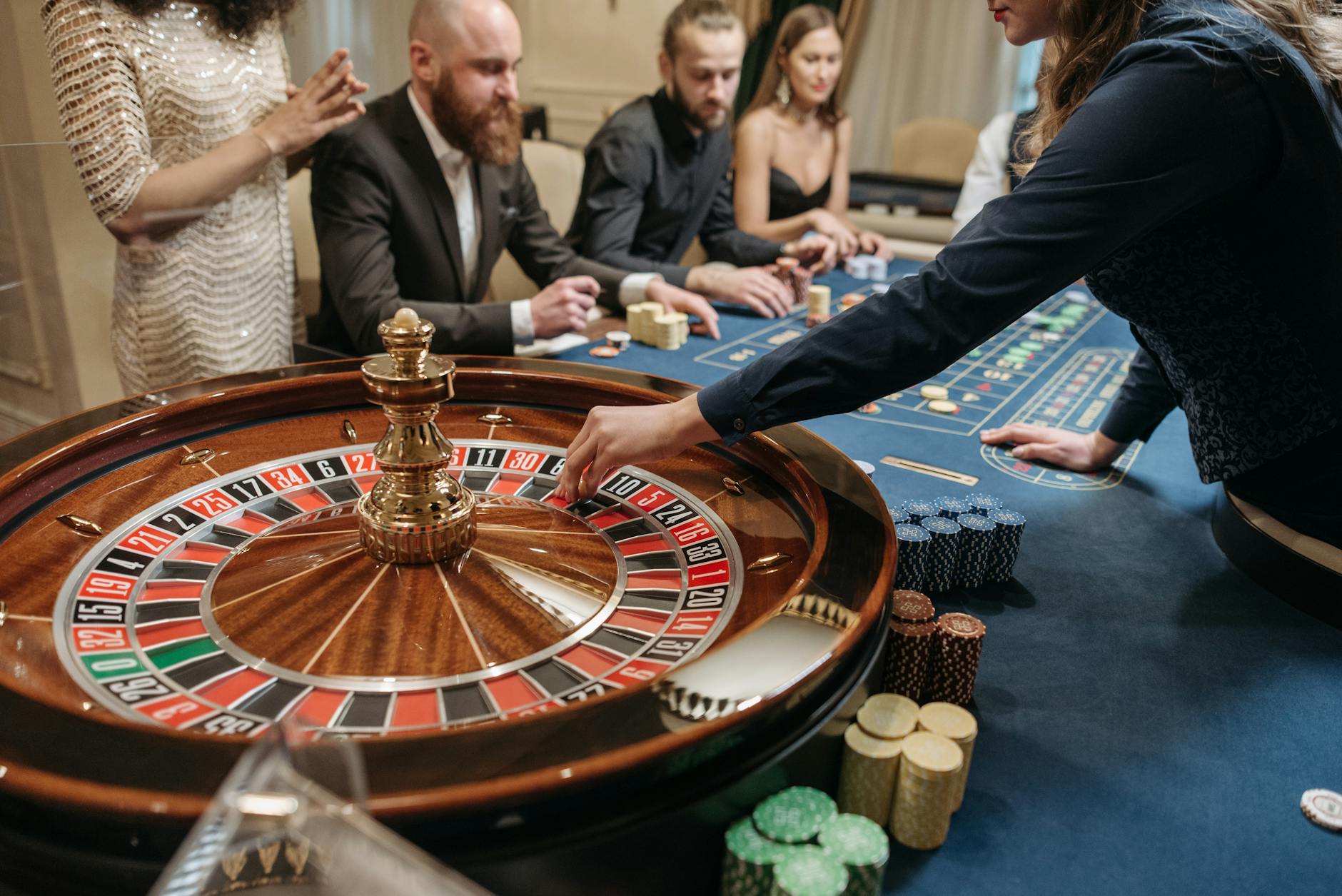
4. RTP, certification, and why regulators trust the catalog
RNG certification is where a provider proves it can survive scrutiny outside the studio lights. For Evolution’s slot and RNG portfolio, independent testing labs and jurisdictional approvals are part of the product story, not a footnote. In regulated environments, that means game math, return profiles, and random outcomes are audited before launch and checked again when content is updated.
For live dealer titles, the compliance layer looks different but is just as strict: shuffler integrity, wheel calibration, camera coverage, dealer procedures, and session logging all need to hold up under regulator review. That discipline is one reason the company remains a preferred supplier in hard-to-enter markets.
Players who compare live and RNG content should also look at the wider supplier field. Evolution Gaming — who has become a dominant name in live casino, while Hacksaw Gaming tends to appeal more through sharp slot design and higher-contrast bonus mechanics.
5. What the provider-side design philosophy looks like on the table
- Short round cycles: Evolution games are built to reduce dead time, which keeps seat turnover high and lobby visibility strong.
- Clear camera logic: The player never has to guess where the action is; every view is staged to support trust and readability.
- Dealer scripting: Hosts are trained to keep energy consistent without turning the table into noise.
- Side-bet engineering: Extra bet layers are used to widen volatility bands and increase session variety.
- Localized production: Language, pace, and table availability are adjusted by market, which helps retention in regulated regions.
That design approach is the same reason operators keep giving Evolution premium lobby placement. The games are built to be watched, joined, and repeated, which is the whole business model in live casino.
6. Which Evolution titles should be on a 2026 shortlist?
If you want a concise shortlist, start with the products that combine brand power, repeat play, and strong table traffic. Crazy Time and Lightning Roulette lead the entertainment side. Blackjack and baccarat anchor the classic table segment. Monopoly Live and Dream Catcher still deliver when a lobby needs broad appeal and recognizable branding.
For a casino review, that is the cleanest way to frame the provider: a live-content giant with an expanding RNG footprint, strict compliance habits, and a catalogue that still sets the pace for competitors in 2026.